


Sanitary pads are a part and parcel for women across a varied strata of society in India. Most women generally shop for sanitary pads primarily based on their pricing and packaging. However, in this process, they mostly turn a blind eye towards the quality, compatibility and safety of the product. Hence, an in depth look into the analysis of sanitary pads is much needed.
The testing for sanitary pads in India is governed by the Bureau of International Standards under IS 5405. Let’s take a look at what this set of regulations entails and take a deep dive into its details.
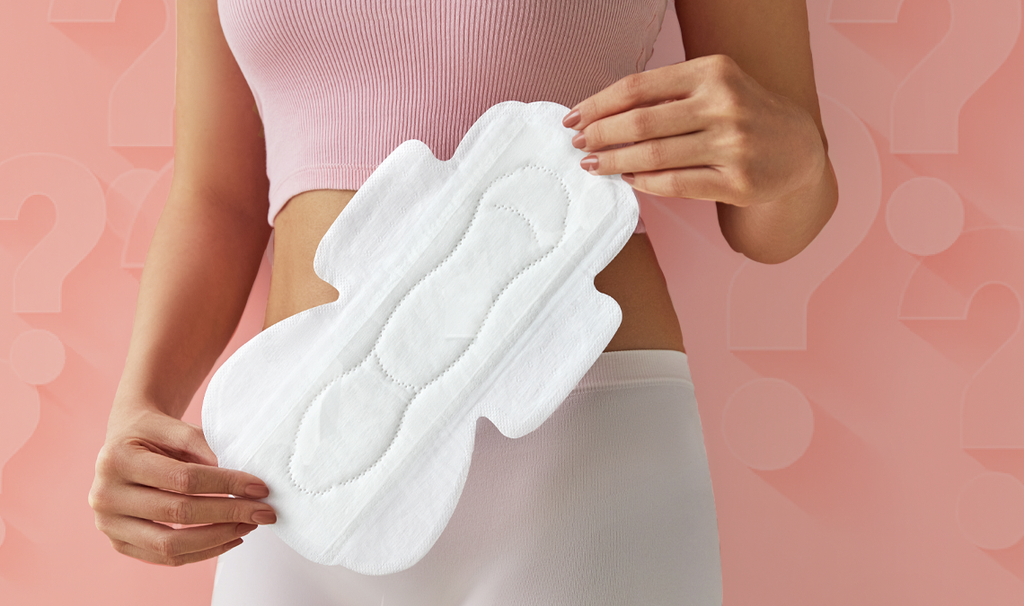
KEY PARAMETERS & SPECIFICATIONS OF IS 5405
The following are the key parameters of this regulation set
- pH Value: The pH value of the sanitary sheet must remain within a range that is skin- safe and ranges from 3.5 to 7.5
- Components: The components of the sanitary sheet should have three primary layers: The cover/top sheet, the absorbent core and the leak proof bottom sheet.
- Absorption Capacity: The sheets are expected to have a minimum level of fluid absorption.
- Sanitary Napkins: Minimum 30 ml of fluid absorption
- Pantry Liners: Minimum 1 ml of fluid absorption
- Maternity Pads: Minimum 50 ml of fluid absorption
PRESSURE RESISTANCE
The sanitary pad must be able to retain the fluid and withstand its pressure without leaking from the sides and the bottom.
TEST OF MATERIALS USED
Cellulose pulp, cellulose wadding, tissues and cotton are commonly used as an absorbent filter in sanitary napkins. They need to be tested to ensure that they do not contain lumps, oil spots, dirt or foreign contaminants. The covering of the absorbent filters has to be porous. Materials like gauze, cotton and non-woven fabrics should be used in the absorbent filter.
TEST OF SIZE
The size of the sanitary napkins varies depending on the varying physique of women. Taller and broader women require bigger napkins while shorter and slimmer women need smaller ones. Hence, there are 3 prescribed sizes for sanitary napkins: regular, large & extra large.
- Regular size: Length range should be 235-245 mm for light to normal flow days.
- Large size: Length range should be 270-290 mm for medium to heavy flow days.
- Extra large: Length size should be 310-420 mm for very heavy flow & clots.
TEST OF DISPOSABILITY
Sanitary pads should be disposable in nature. To check this, the pad is submerged in a container holding 15 litres of water. The water is then stirred and the pad is checked for how it breaks down. A disposable/biodegradable pad is expected to break down and disintegrate properly in such conditions. If it contains plastic layers, it can cause clogging and will not completely disintegrate.
TEST OF FINISHING
The top sheet of the sanitary pads should be wrinkle free and should not have any folds, thereby ensuring that the surface of the top sheet is not uneven. The pad’s surface should be soft to the touch and not be irritable to the skin. The adhesive used to build the pad should be handled with care to ensure that only the correct spots are adhered to.
Our infrastructure can accommodate specialised tests to check bioburden, cytotoxicity and biocompatibility that are mandatory for all sanitary pads. Get in touch with us for certified results for your Sanitary Pad products.