

Dialysis water testing as per AAMI guidelines
Comprehensive dialysis water testing in accordance with AAMI guidelines to ensure microbiological, chemical, and endotoxin quality for safe and effective hemodialysis treatment.

What are AAMI Water Standards in Dialysis?
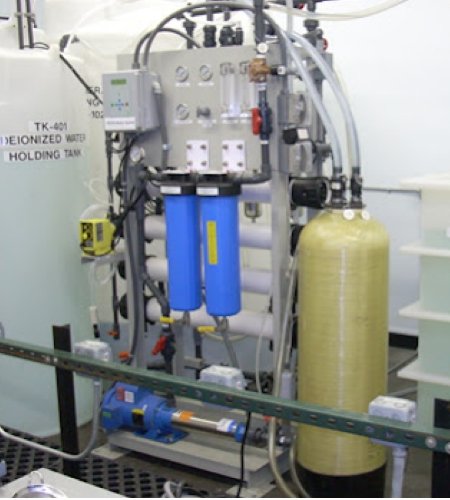
The Association for the Advancement of Medical Instrumentation (AAMI) in conjunction with the International Standards Organization (ISO) have established chemical and microbiological standards for the water used to prepare dialysate. These standards include
- Pre-treatment like tempering valves, sediment filters, water softeners, carbon media, and chemical injection systems.
- The second, Purification, is identified as reverse osmosis (RO), deionization (DI), and endotoxin filters.
- The third and final, Post-Treatment components, consist of the storage (if applicable) and distribution of dialysis water.
Need of water testing in Dialysis!
Adverse patient outcomes including outbreaks associated with water exposure in dialysis settings have resulted from patient exposure to water via a variety of pathways. If anything less than ultra pure water is used during your dialysis treatment, a variety of things could happen:
- Too much calcium or magnesium can cause nausea, vomiting, muscle weakness, severe headaches, skin flushing and low or high blood pressure.
- Metals can cause a variety of symptoms including liver damage, inflammation of the pancreas, destruction of red blood cells, seizures, brain damage and even death.
- Pesticides and fertilizers can cause headaches, dizziness, convulsions and heart and liver damage.
- The chemicals added to destroy bacteria will destroy red blood cells if they enter the blood stream.
- Bacteria and endotoxin can cause infections and fever.
- Overexposure to fluoride can cause abnormal hardening of bones, as well as nausea and vomiting, muscle twitching, low blood pressure and seizures
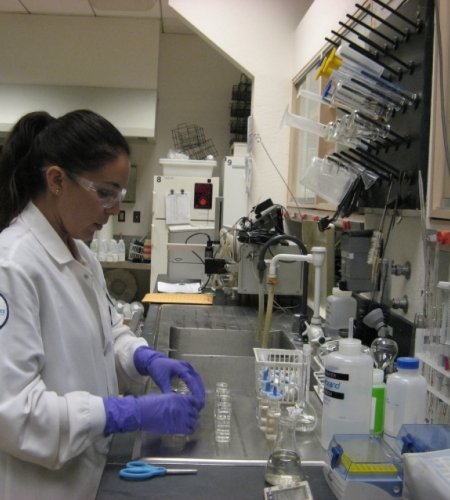
Anacon Lab uses modern techniques and machines to purify and test water for dialysis meeting AAMI standards. These parameters consists of following steps:
- Using sediment filter which removes large particles from the water
- A ultraviolet light tray which kills bacteria and breaks down chemicals in the water
- Carbon filter which adsorbs chemicals in the water
- A dual bed DI resin which removes dissolved electrolytes
- A mixed bed DI resin as a back up and safety net to the previous DI Resin
- An ultrafilter to remove bacteria
- A 0.2 micron filter which removes any bacteria that may have been introduced into the system so it will not reach the patient