


Why Testing for EG and DEG in Cough Syrups is Critical
Ever paused to consider what exactly goes into the cough syrup you give your child when she’s ill? It’s a product we tend to take for granted. But in recent years, that trust has been shaken by a string of tragedies, most famously the contamination of two highly toxic industrial solvents—ethylene glycol (EG) and diethylene glycol (DEG)—in Indian-produced children’s cough remedies.These incidents have raised alarms globally about the cough syrup safety standards in India and the dire consequences of overlooking them.
In this blog post, we’ll understand the lesser-known facts about how these poisons ended up in the pharmaceutical supply chain, why adequate testing is needed to establish their absence, and what new testing technologies are available so this never occurs again. The DEG contamination in medicines has prompted urgent responses, including WHO guidelines on cough syrup testing, aimed at preventing future tragedies. Once you read this post, you’ll know more about what to look out for and how any damage, and in fact lives—maybe even your own child’s—can be saved.
Describing the Silent Killers: EG, and DEG
EG and DEG are industrial solvents used in antifreeze, paint, and brake fluid among others. They should never be consumed by human beings in any amount. Their danger is that they are odorless, colorless, and have a slightly sweet flavor, therefore difficult to detect without laboratory analysis.
In pharmaceutical manufacturing, especially for syrups, solvents like glycerine and propylene glycol are usual carriers. But with cost-cutting measures, industrial-grade solvents are employed in their stead—by accident or via supply chain contamination—their residues persist in the guise of EG and DEG. Even minute amounts of these EG and DEG are lethal.
Even 1 milliliter of EG per kilogram of body weight is enough to cause fatal problems such as kidney failure, coma, and death. Children, with less body weight, are especially vulnerable.
A Timeline of Tragedy: India’s Global Impact
Between 2022 and 2023, the world saw the ghastly impact of EG and DEG poisoning in some of the Indian-produced cough syrups. The World Health Organization (WHO) issued warnings following the deaths of over 300 children in The Gambia, Indonesia, and Uzbekistan. The majority of the children died before the age of five.
The syrups, manufactured by some Indian companies, had 300 times the permissible amount of poisonous solvents present in them. For comparison, WHO and Indian Pharmacopoeia permissible limit is 0.10%, but what they found are up to 34% contaminated consignments. That is not an error— it is a calamity.
Even prior to this, in 2020 in Jammu & Kashmir, nine children had died after consuming a locally manufactured cough syrup with more than 34% DEG content. These are not one-off incidents; they are symptoms of a trend of test failure and failure of the regulators.
Why this Contamination Occurs: The Supply Chain Blind Spot
And how do the chemicals find their way into drugs intended to cure?
The source of the problem is the availability of raw materials. Solvents used in pharma like glycerin are expensive and undergo stringent quality control. In a bid to reduce costs, the companies employ industrially available solvents that are not purified well and therefore are contaminated with EG or DEG. These raw materials are deceptively sold as being appropriate for pharma application.
End-product testing—or worse, none—is the outcome, so the contaminated syrup reaches the market, and ultimately, the most vulnerable patients: children. In a single WHO-reported instance in Pakistan, drums of propylene glycol were stopped at customs only to hold 100% ethylene glycol.
Worst of all is that most manufacturers do not even test raw material before making their products. One contaminated lot of glycerin or propylene glycol can taint hundreds of thousands of bottles of syrup.
How EG and DEG Testing Works—and Why It’s Non-Negotiable
Pharmacopoeial specifications like those of Indian Pharmacopoeia (IP), USP, and WHO demand analysis of syrups containing glycerin, propylene glycol, or sorbitol for the contents of EG and DEG. The limit should be less than 0.10% for all of the aforementioned chemicals.
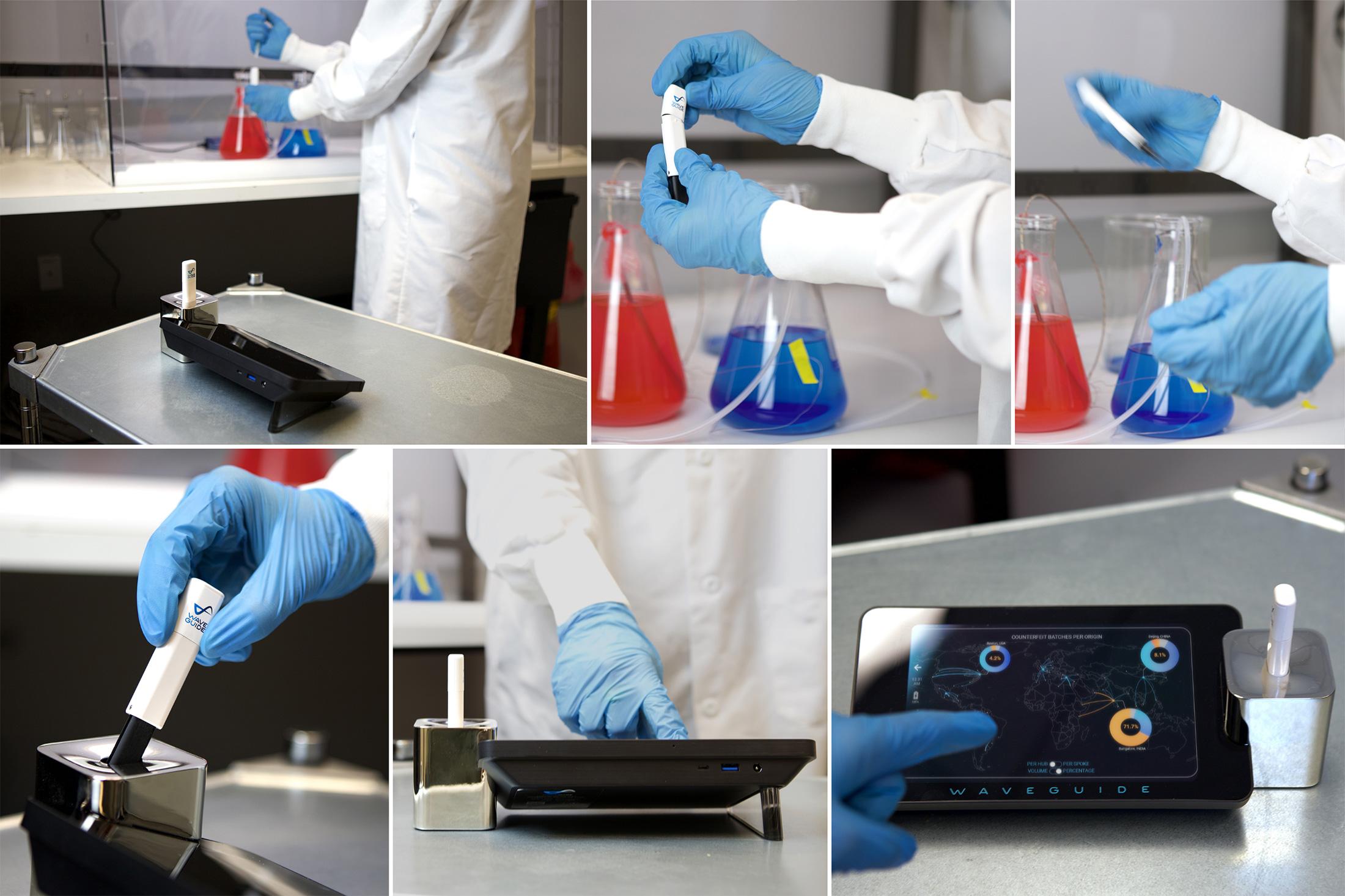
Advanced laboratories use methods like Gas Chromatography (GC) for finding contamination in amounts as small as 0.001%. Advanced laboratories use Thin Layer Chromatography (TLC) for screening and Portable TD-NMR (Time Domain Nuclear Magnetic Resonance) instruments for field rapid detection.
Actually, a recent research demonstrated that portable NMR instruments were able to detect at least a concentration of 2.5% of EG and DEG, hence it is within our ability to intercept toxic products before they appear on pharmacy shelves. Gas Chromatography, on the other hand, is standard and can spot as little as 7.5 ppm (parts per million) of EG and 10 ppm of DEG.
Most of the unregulated or small-scale producers do not adhere to these testing standards. Even when testing is performed, the same is not conducted by independent or accredited labs, the results of whose tests are suspicious.

Why It Matters More Than Ever
Due to the significant strides of the Indian Pharmaceutical Industry in the recent years, India has rightfully earned the monicker “Pharmacy of the World”. Despite this, the grim truth is this: while India is a top drug exporter, supplying over 20% of generic drugs globally, any compromise in testing not only harms local consumers but also millions of individuals worldwide. From children’s cough syrups to over-the-counter expectorants, the threat of contamination is ubiquitous. With the high expectations that come with India’s massive strides in the global pharmaceutical landscape, Indian pharmaceutical industry will have to ensure that no contaminations occur in their products, by commission or by omission.
While the Indian government has only recently made it mandatory to test and certify all syrups for export before they are shipped, testing in the domestic market is uneven. That is scary, considering that India consumes nearly 3,000 crore rupees’ worth of liquid oral preparations every year. Even a small percentage of contaminated products would mean several hundreds of deaths.
But change is at hand. With adequate testing procedures and independent labs, we can create a safety net that captures contamination before it can harm. It requires accountability, transparency, and most of all—scientific accuracy.
Final Thoughts
EG and DEG in cough syrups are not only technical blunders; they are a clear and present danger to public health. And the casualties are most likely always the most innocent: children. As consumers, practitioners, and regulators, we owe ourselves and others a responsibility to demand proper testing and demand proven certification before any syrup may be certified safe.
This is not just about preventing disaster. This is about re-establishing trust in medicine—trust that every bottle on the shelf has been tested, certified, and cleared by a lab that values human life over cost savings.
If you’re a producer, exporter, doctor, or even concerned parent—insist on proper and accredited laboratory testing for EG and DEG. Anacon Laboratories, with world-class facilities and pharma know-how, is committed to delivering accurate, WHO-standard analysis to guarantee every single syrup batch is safe to consume.


