
Analysis of Diesel Fuel: Understanding the Difference with LDO & HSD Analysis
Ever wonder why some truck engines seem to purr for a decade while others end up in the shop every few months? It’s rarely just luck. More often than not, it comes down to the “liquid gold” being pumped into the tank.
In the Indian market, we mainly deal with two heavy hitters: High-Speed Diesel (HSD) and Light Diesel Oil (LDO). They might look similar to the untrained eye, but using the wrong one is a recipe for a very expensive disaster. Especially with the strict BS6 diesel fuel specifications in India now in play, understanding fuel quality isn’t just for engineers anymore—it’s vital for anyone running a fleet or a factory, making it essential to rely on a trusted diesel fuel testing laboratory in India and professional HSD and LDO fuel testing services to keep operations smooth and compliant.
What Exactly is Diesel Fuel?
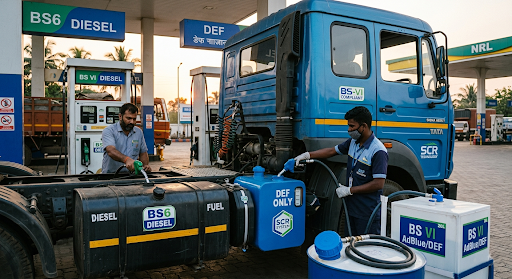
At its core, diesel is a high-energy fuel derived from crude oil. Unlike petrol engines that need a spark, diesel engines rely on pure compression to get things moving. This makes it the workhorse of the Indian economy.
- The Powerhouse: It’s dense and packs a punch, making it perfect for heavy lifting.
- The Environmental Cost: We have to be honest—diesel isn’t the cleanest. Burning a single litre releases roughly 2.68 kg of CO₂.
- The Quality Gap: Because it’s the backbone of transport, even a slight dip in quality ripples through the whole supply chain.

Why Diesel Fuel Testing Matters?
Think of fuel testing as a routine blood test for your machinery. You might feel fine today, but the data tells you what’s brewing under the hood. In India, labs focus on a few “make or break” metrics:
- Cetane Number: Think of this as the “readiness” of the fuel to ignite. High cetane = a smooth start. Low cetane = a rough, knocking engine.
- Sulfur Content: This is the big one for BS6 compliance. We’ve moved toward a limit of just 10 ppm for automotive diesel to keep our air breathable.
- Flash Point: This is all about safety. If the flash point is off, storing that fuel becomes a ticking time bomb.
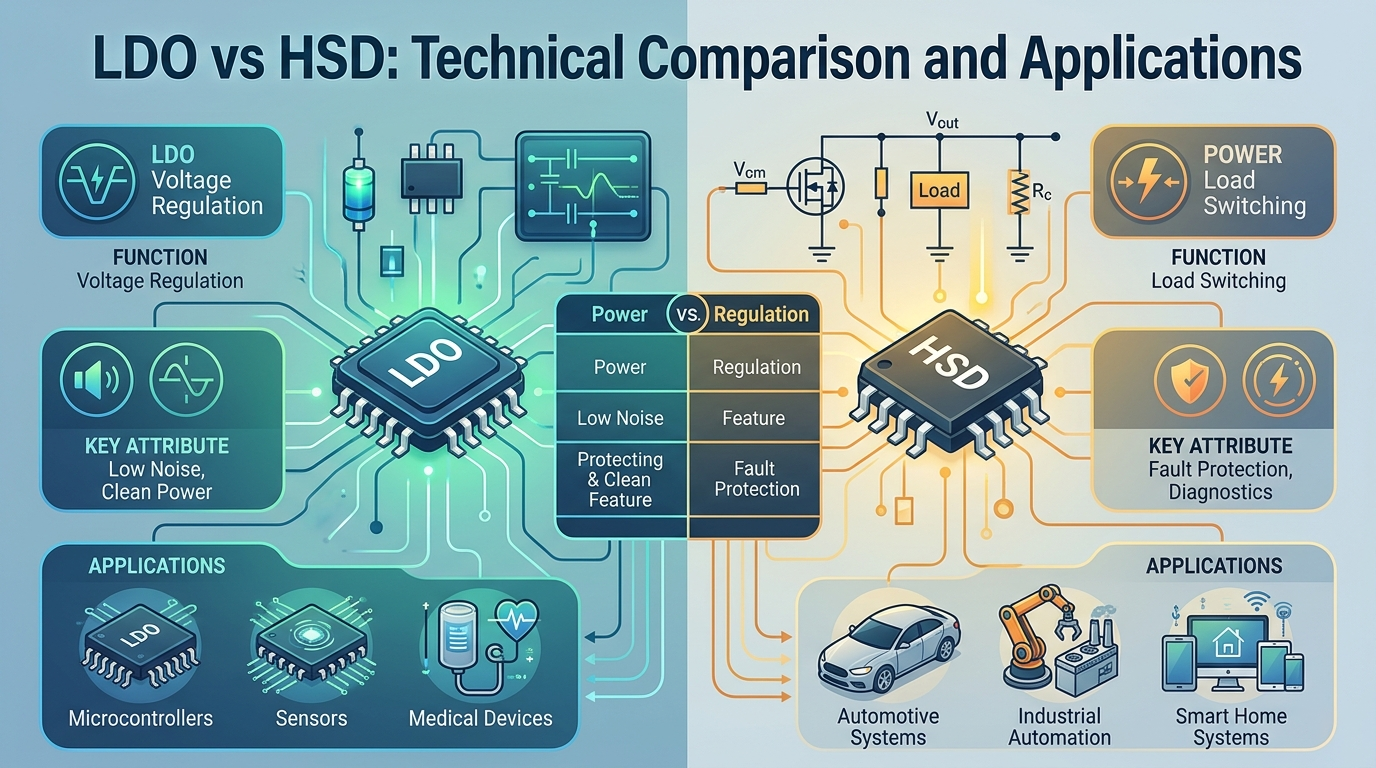
LDO vs HSD: Technical Comparison and Applications
It’s easy to get confused, but they are built for entirely different lives.
High-Speed Diesel (HSD) This is the “premium” stuff you see at retail pumps. It’s refined, low-sulfur, and designed for engines that rev high—like those in your cars, buses, and long-haul trucks. Because it’s cleaner, it keeps modern fuel injectors from clogging and helps you hit those mileage targets.
Light Diesel Oil (LDO) LDO is the industrial sibling. It’s less refined, a bit “dirtier” (higher sulfur), and significantly cheaper. You’ll find it powering massive stationary generators, boilers, and low-speed industrial furnaces.
The Golden Rule: Never put LDO in a modern truck. It’s too heavy, too high in sulfur, and will likely wreck a BS6 engine in record time.
Does Testing Really Save Money?
In a word: Yes. I’ve seen plenty of operators try to save a few rupees by skipping fuel analysis, only to get hit with a lakhs-worth repair bill when a batch of contaminated fuel ruins their fuel pumps. Regular testing through a reputable lab helps you:
- Catch water or sediment before it hits the engine.
- Verify that you’re actually getting the BS6 quality you paid for.
- Keep your maintenance schedule predictable rather than chaotic.
The Bottom Line
The shift to BS6 has changed the game in India. We have better engines now, but they are “pickier” eaters. Choosing between HSD and LDO isn’t just about the price tag—it’s about matching the fuel to the machine’s DNA.
If you’re managing a fleet or an industrial site and want to stop guessing about your fuel quality, it’s time to get a professional eyes-on. Anacon Laboratories provides the precision testing you need to keep your operations running clean and compliant.
Don’t wait for the engine light to come on—test your fuel, protect your investment, and breathe a little easier.